How Auto picks the right model
Auto chooses the AI model for you on every message. Here's how it decides which one to use.
 VIGPT Team2 min read
On this page
When you chat with VIGPT, you don't pick the AI model — Auto does. And the models aren't equal: some are cheap and fast but a bit dim, others cost more but are genuinely smart. Auto's whole job is to read your message and hand it to the right one.
Get that choice right and the app just feels smart. Here's how Auto makes it.
The front desk analogy
Think of Auto as the front desk at a clinic. When you walk in, someone sizes up what you came in with and decides — fast — whether you see a nurse, a doctor, or a specialist. Auto does the same with every message: it reads the request and routes it to the right level of care. A good front desk makes a handful of sensible moves, and so does Auto.

How Auto decides
Here are the moves any good front desk would make:
- It reads the evidence. Did you attach files? Is this a long, multi-part request? Does it involve something technical, like code? More signals, better call.
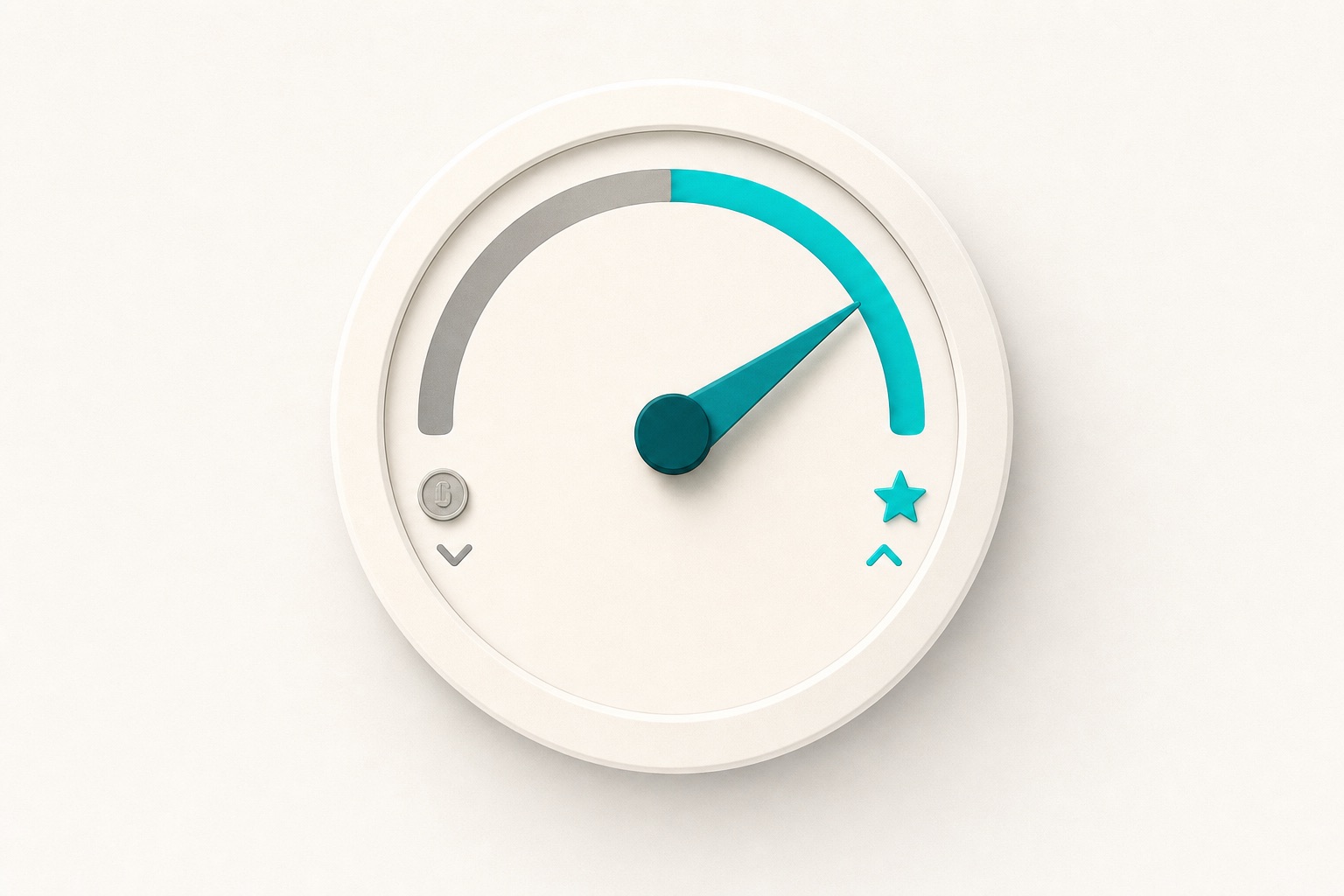
- There's one dial — quality vs. cost — and we've set ours toward quality. Care comes first; cost is the thing we watch, not the thing we chase.
- When it's unsure, it sends you up, not down. Uncertainty should buy you the doctor, not the intern.
- It can take a second look. When a first answer comes back clearly weak — a non-answer, an "I can't help with that" — Auto quietly bumps you up to a senior, once.
- For genuinely hard cases, it thinks before it answers instead of blurting out the first thing.
- And it gets tuned with real use. We watch how answers land — including when you thumbs-down a reply — and use that to recalibrate Auto over time.
The idea in one line
Auto reads the evidence, leans toward quality when it's unsure, thinks harder on the hard ones, double-checks weak answers, and keeps getting tuned by what people actually do.
Everything else is just plumbing in service of those moves.
Smart by default isn't expensive by default
"Smart by default" doesn't mean "expensive always." Trivial messages — "hi," "what time is it" — still go to the cheap model. We only spend up when the request warrants it, and that second look only kicks in when a first answer comes back weak.
So it's quality-first and cost-aware — not burn-money.
Related posts
- Product
What Deep Think is and when to use it
Deep Think makes the model work a hard problem through several passes before it answers. Here's when that pays off, when it's overkill, and how to switch it on.
3 min read - Guides
Compare several models on the same question
Most of the time, Auto's pick is the answer. But for judgment calls and high-stakes work, it's worth putting the same question to a few models. Here's when that pays off and how to do it.
4 min read - Guides
Switch models in the middle of a conversation
Stay on Auto most of the time, pin a specific model when you want one, then switch back — your chat history and attached files come with you.
2 min read